.svg)
ARC
Combining AI analysis with human strategy to help creators uncover opportunities and build stronger content systems.
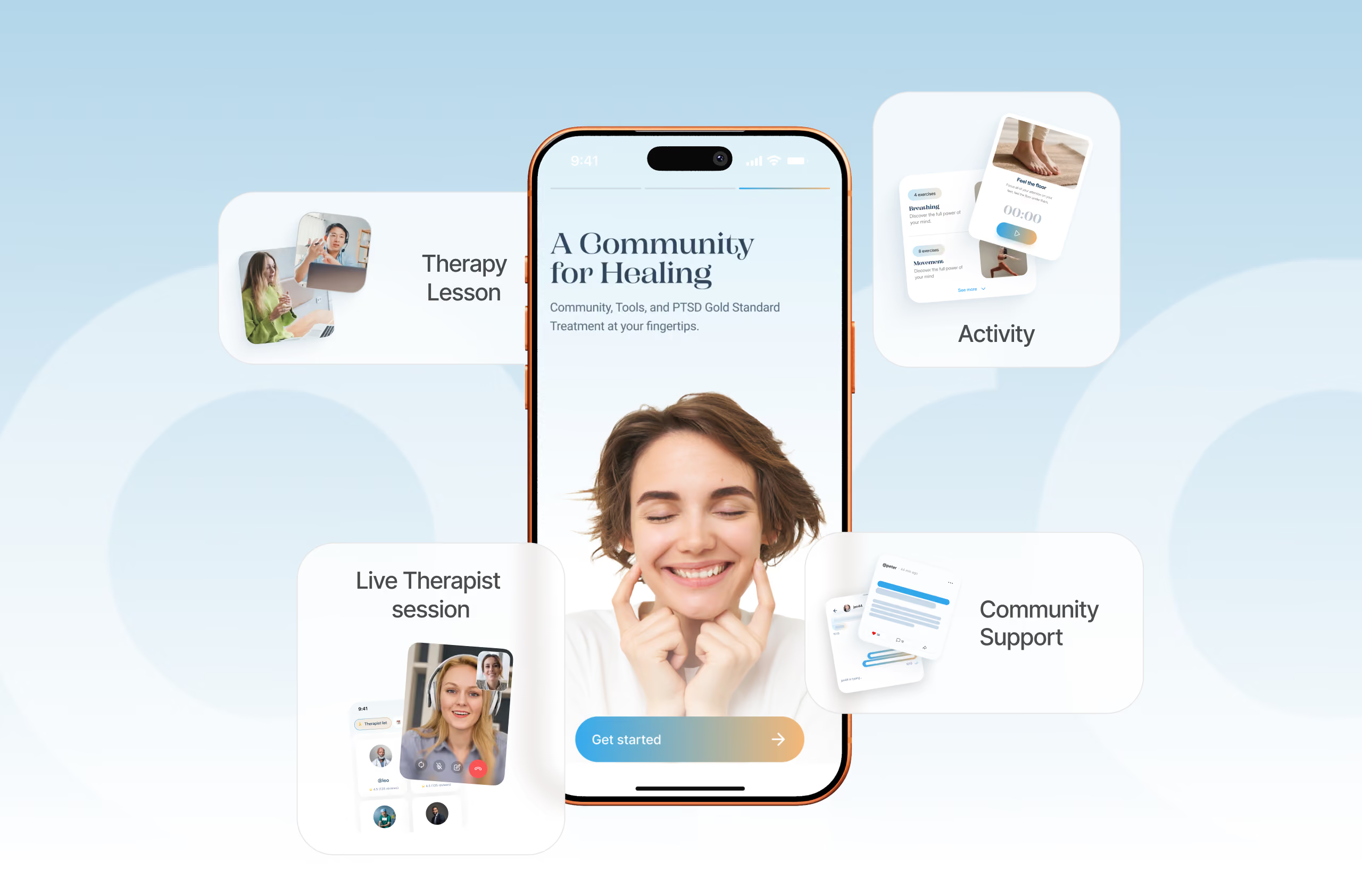


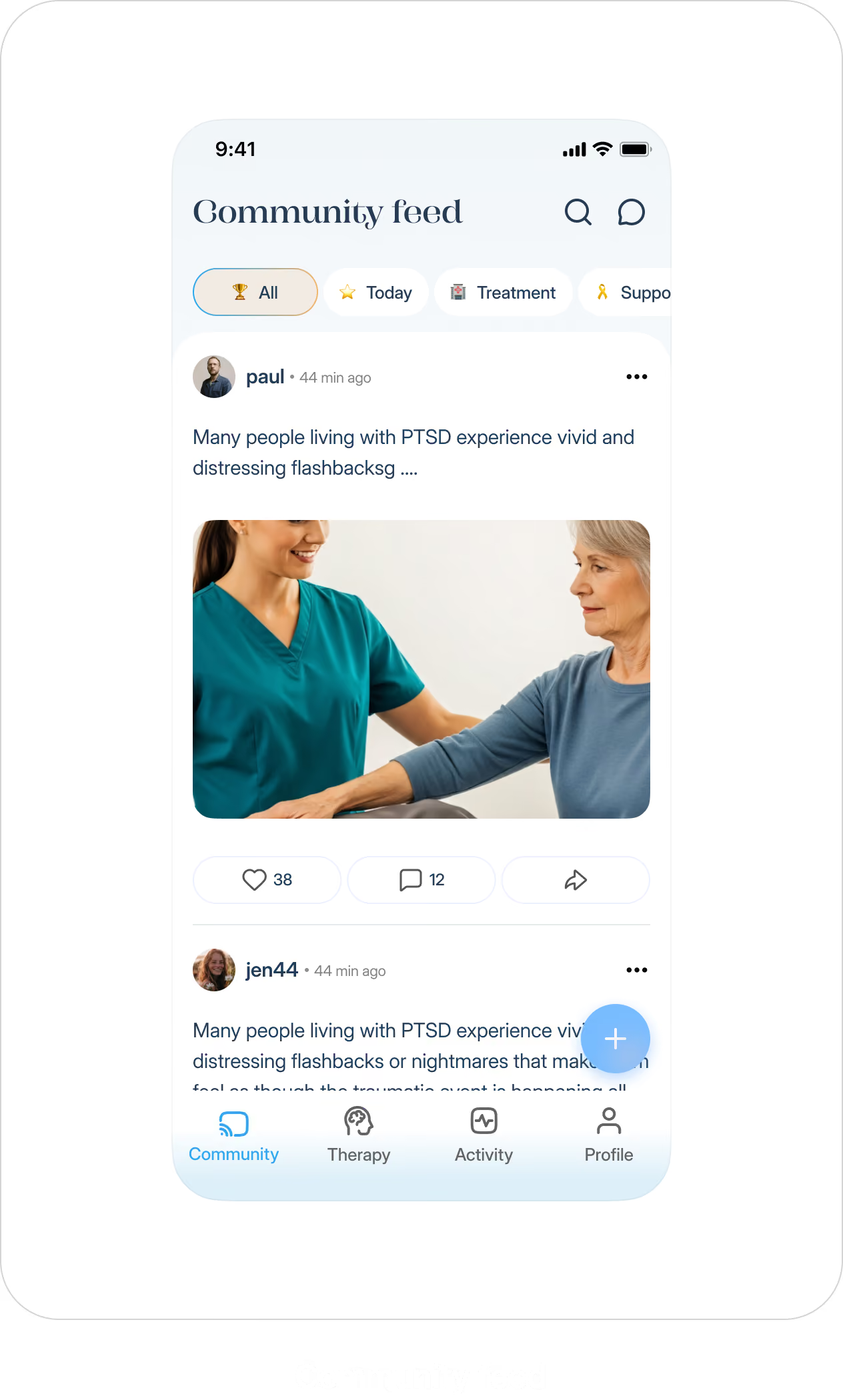
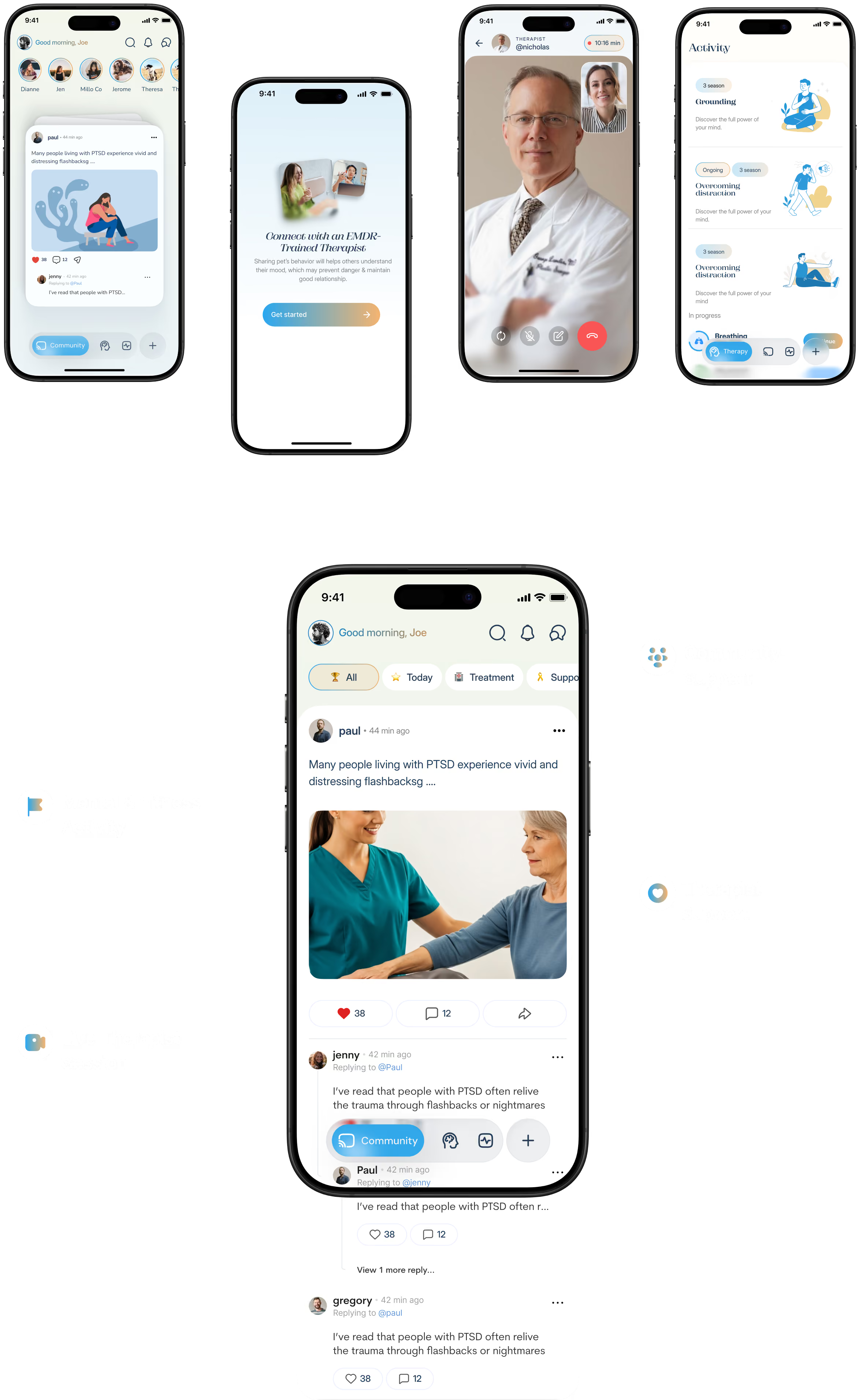
ARC is a mobile application designed to support individuals living with Post-Traumatic Stress Disorder (PTSD). The app combines three key pillars of recovery community support, professional therapy, and self-guided activities into a single, simple platform.
ARC brings recovery resources, therapy support, and self-guided wellness tools together into a single experience designed to reduce friction and improve accessibility. The challenge was creating a platform that feels supportive, trustworthy, and easy to navigate while balancing emotional sensitivity with usability.
Industry
Mental Health, HealthTech
Core Features
Recovery Support, Guided Activities, Community Connection
Product Type
Mental Health Mobile Platform
Project Timeline
The ARC project was completed over three months, beginning with research and understanding recovery needs, followed by information architecture, user flows, and experience design. The process focused on creating a supportive, structured, and accessible experience for individuals navigating PTSD recovery.

Challenges & Project Goals
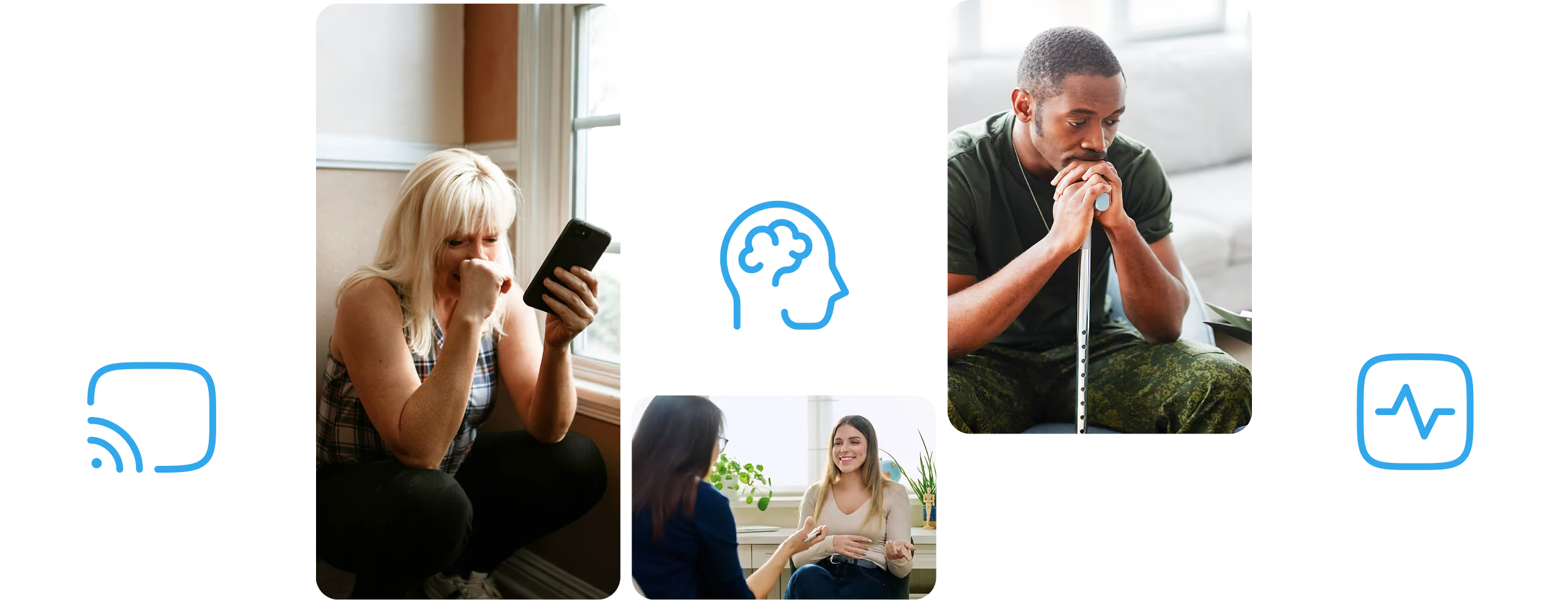
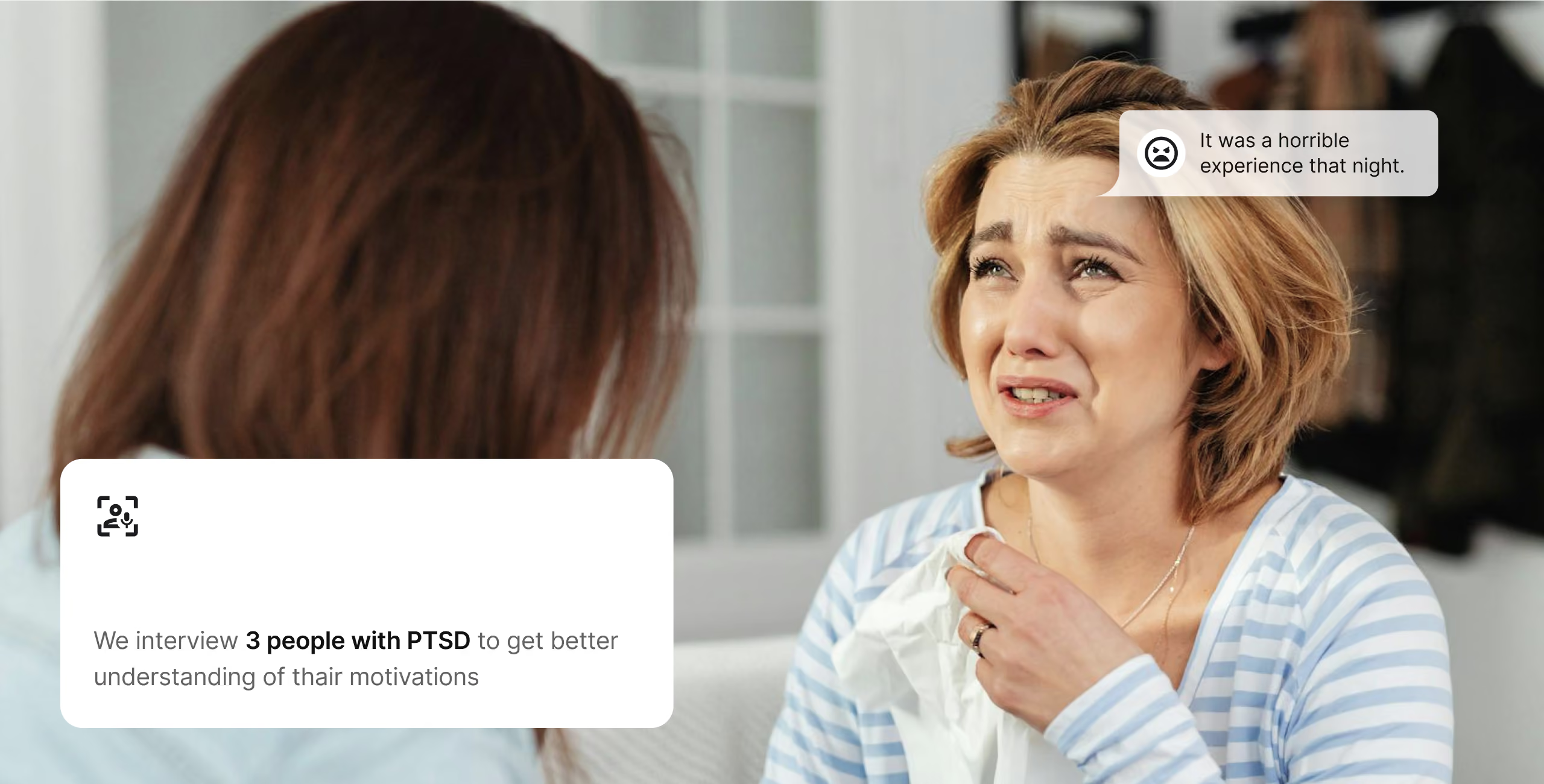
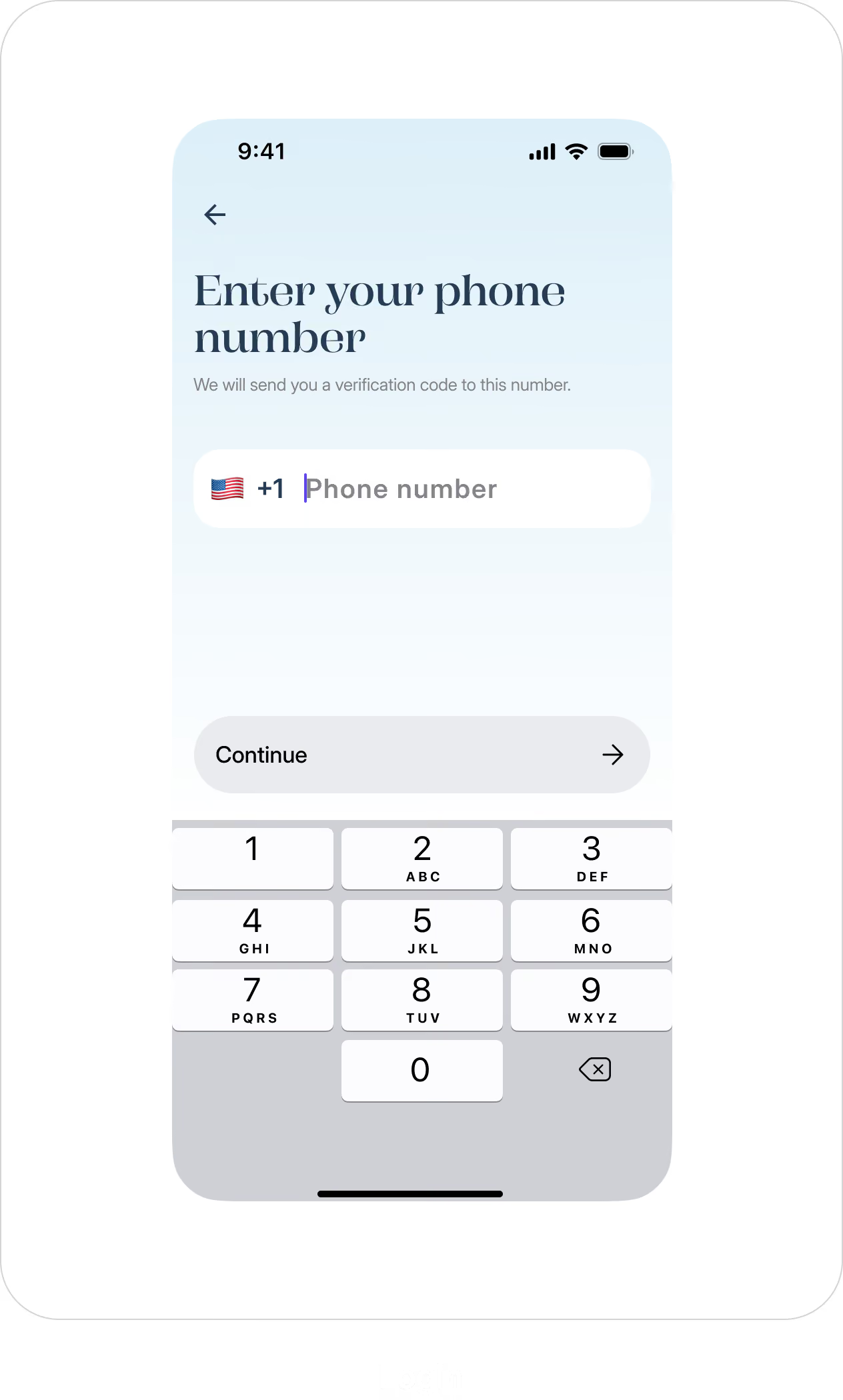
ARC needed a recovery experience that supports individuals living with PTSD without adding cognitive burden. Research highlighted challenges around overwhelming onboarding, fear and anxiety, emotional exhaustion, and difficulty accessing recovery resources consistently. The goal was to create a simple, structured experience that brings community support, therapy resources, and self-guided recovery activities into one accessible platform while reducing friction and improving emotional safety.
Challenges
Individuals navigating PTSD recovery often face emotional overload, fragmented support systems, and complex experiences that increase cognitive strain and reduce engagement.
Goals
Design a recovery-focused experience that simplifies access to support, reduces onboarding friction, and creates a more supportive and accessible healing journey.
.avif)
.avif)
Our Approach
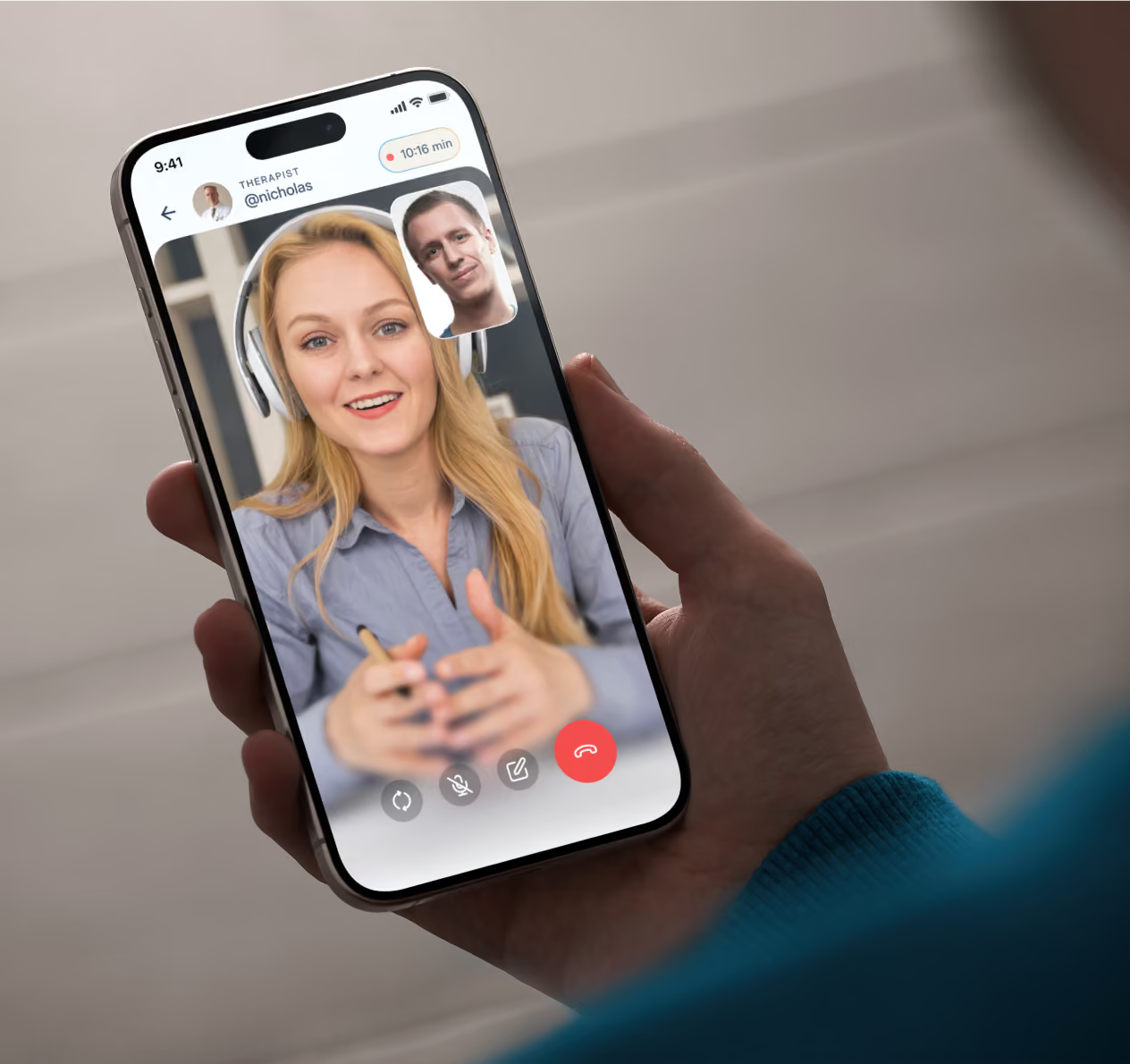
To create a more supportive recovery experience, we simplified access to therapy resources, community support, and self-guided recovery activities into a structured and accessible journey. The approach focused on reducing cognitive burden while creating a calm, supportive, and emotionally considerate experience.
Research-Driven Product Strategy
Defined recovery workflows and information architecture to improve accessibility and reduce friction.
Supportive Experience & Interface Design
Designed a focused experience that balances emotional sensitivity, usability, and long-term engagement.
.avif)
.avif)

AI → IMPROVEMENT

Turning interview practice into measurable progress.

“The final experience transformed interview preparation into a more structured and confidence-building process. Practice, feedback, and improvement now feel clear, focused, and measurable.”

Reza Hashemi
Founder at Zeroin

.avif)
Results & Project Outcome
The final experience transformed PTSD recovery support into a more structured and accessible journey — bringing community support, therapy resources, and self-guided recovery tools into one focused platform.
Reduced Cognitive Load
Simplified onboarding and navigation to create a more approachable recovery experience.
More Accessible Support
Structured content and interactions to improve discovery, navigation, and engagement.
Supportive User Experience
Built interactions designed to feel clear, calm, and emotionally considerate.
Designed For Long-Term Growth
Created a scalable foundation that supports future recovery features and evolving user needs.
The final result transformed fragmented recovery resources into a more supportive and accessible experience. Community support, guided recovery activities, and therapy resources now work together to create a clearer recovery journey.

.svg)
.svg)


